Summer heat can quickly warm up the home, but with a few thoughtful measures, you can keep your rooms pleasantly cool without relying too much on air conditioning.
When summer temperatures rise, even a comfortable home can quickly turn into an overheated space where it is difficult to rest, work or sleep. Rooms with large windows, south- or west-facing rooms, attics and flats where it is not possible to create an effective draught during the day usually heat up the most.
The good news is that constant use of air conditioning is not always necessary for more comfortable living. A lot can be achieved with everyday habits that prevent heat from building up indoors during the day. A combination of shading, proper ventilation, reducing internal heat sources and using fans or air conditioning thoughtfully works best.
Ventilate at the Right Time
One of the most common mistakes during summer heat is opening windows in the middle of the day, when it is hotter outside than inside. Although it may seem that this will let fresh air into the room, it often has the opposite effect: even more heat enters the home.
In summer, it is therefore best to ventilate early in the morning, late in the evening or at night, when the outdoor temperature drops. If possible, open windows on opposite sides of the flat or house to create a draught. This helps warm air to be replaced more quickly with cooler air.
When it starts to warm up outside, close the windows again. This is especially important in rooms facing south or west, as these usually heat up the most during the day.
Shade Windows and Sunny Rooms
It is much easier to keep heat outside than to cool down a room once it has become very hot. This is why shading is one of the most important measures for maintaining a pleasant indoor temperature.
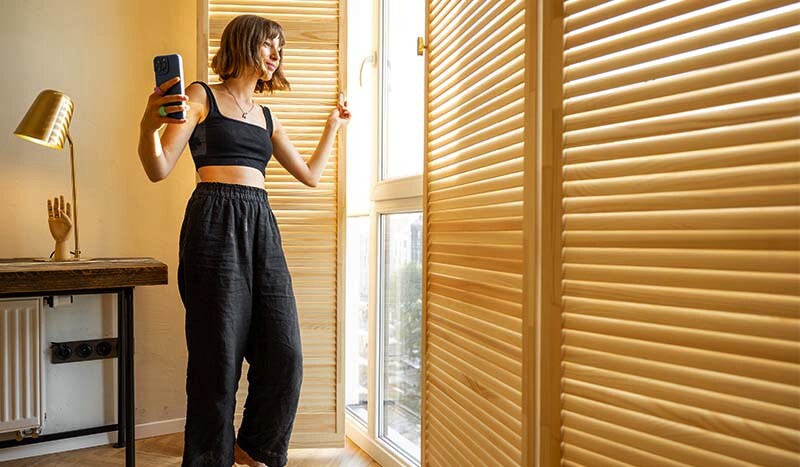
The most effective solutions are external shading systems, such as shutters, blinds, external venetian blinds, awnings or canopies, as they prevent the sun’s rays from heating the glass in the first place. If you do not have external shading, internal blinds, pleated blinds, light curtains or a temporary solution with a light-coloured fabric can also help.
Pay special attention to windows that receive several hours of direct sunlight each day. If you shade them in time, the difference in the room will quickly become noticeable.
Reduce Heat Sources in the Home
In summer, the sun is not the only thing that heats the home. Heat is also produced by people and by the appliances we use every day. The oven, hob, tumble dryer, dishwasher, computers, televisions and chargers can all raise the temperature in a room even further on hot days. Every member of the household also gives off some heat, so a room with more people and switched-on devices warms up even faster.
If possible, use larger appliances in the evening or early in the morning, when the air is cooler and the room can be ventilated more easily. During the hottest part of the day, avoid baking in the oven and long cooking times. In summer, cold dishes, salads, quick meals or outdoor cooking, if available, work well.
Unplug devices that you are not using. Even in standby mode, they can give off some heat while also using energy unnecessarily.
Use a Fan Thoughtfully
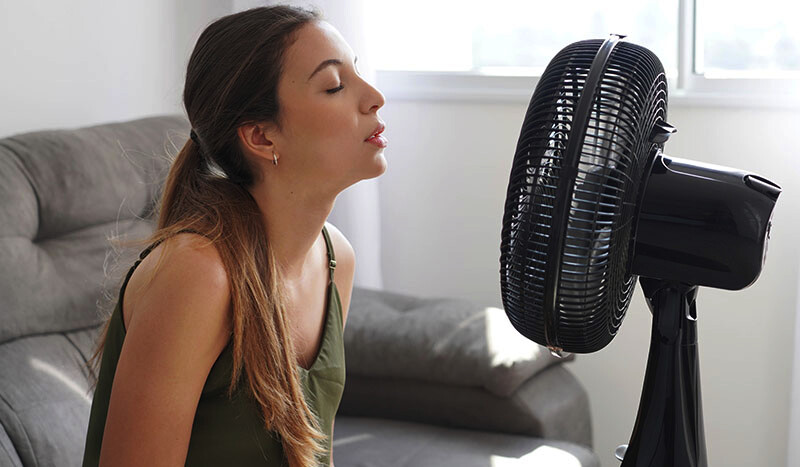
A fan is a simple and useful solution, but it is important to know that it does not cool the air; it moves it. The cooling sensation comes from air movement helping the body release heat.
Direct the fan towards the area where you are staying, rather than into an empty room. Turn it off when you leave the room. In the evening or at night, you can place it closer to a window to help move cooler air through the space.
At very high temperatures, fans should be used with care, especially around more sensitive people, as constant blowing of hot air can contribute to dehydration. This is why it is also important to drink water regularly when using a fan.
Create a Cooler Space for Rest
If you cannot keep the whole home pleasantly cool, create at least one cooler space. This could be a bedroom, living room or a room on the shaded side of the home.
Keep it closed and shaded during the day, and do not let warm air from hotter rooms enter it. Keep doors between cooler and warmer rooms closed. In the evening or at night, ventilate the room well.
This is especially important for the bedroom, as heat often affects sleep quality the most. Thinner bedding, loose clothing made from natural materials and as few devices as possible that could further heat the room before bedtime can all help.
Choose Light Materials and Summer Textiles
Materials also influence the feeling of freshness at home. In summer, heavy blankets, thicker rugs, dark decorative textiles and warm throws can be temporarily stored away. Instead, choose lighter, breathable materials such as cotton, linen or muslin.
Lighter colours add a feeling of airiness to the room, while light curtains can soften the sun without making the space feel heavy or closed in. In the bedroom, breathable bedding that wicks away moisture and allows for more comfortable sleep is especially important in summer.
Having fewer items on surfaces can also help the room feel tidier, fresher and more open.
Use Air Conditioning Moderately and Efficiently
Air conditioning can be very useful in extreme heat, but it works best when combined with other measures. If you shade the room during the day, close the windows and reduce heat sources, the air conditioner will need less time and energy to cool the space.
Do not set the temperature too low. A large difference between the outdoor and indoor temperature is not pleasant for the body and also increases energy use. Cool mainly the room where you spend time, and close doors to rooms that do not need to be cooled.
Regular filter cleaning is also important, as a clean unit works more efficiently and has a better effect on air quality.
Summary
A pleasantly cool home in summer does not depend only on air conditioning. We can do the most by keeping heat outside during the day, using cooler night air, reducing the use of appliances that give off heat, and choosing light summer materials.
With a few simple habits, you can create a fresher and more pleasant home even on hot days.
Sources
- Energy Saving Trust – Tips to keep your home cool this summer
- British Red Cross – Keep your home cool
- S. Department of Energy – Spring and Summer Energy-Saving Tips
- Efficiency Vermont – Summer Guide to Energy Savings & Comfort